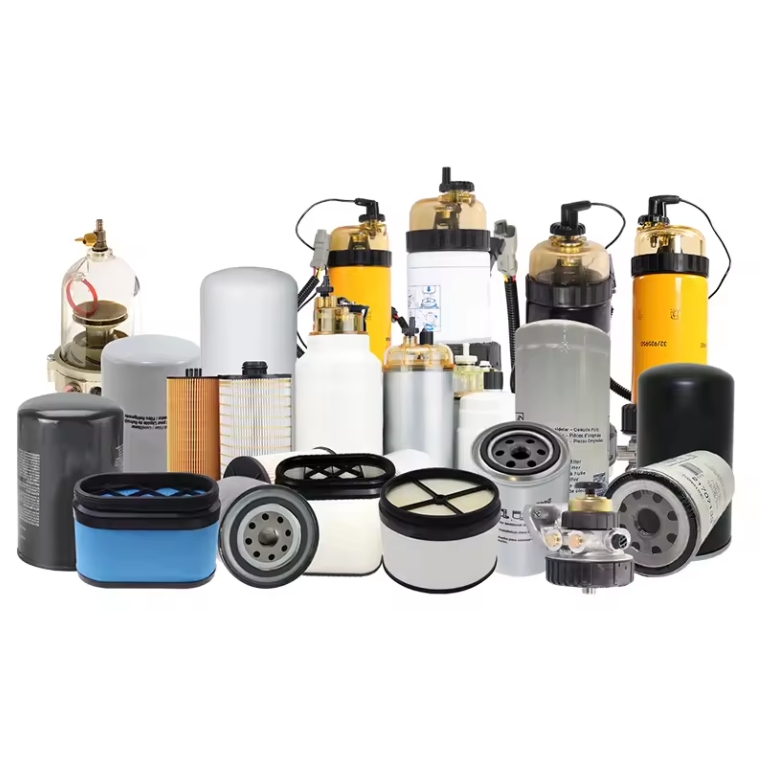


When it comes to semi trucks, even the smallest part can make or break your day on the road. I’ve learned this the hard way—especially when it comes to fuel filters.
The best fuel filters for semi trucks combine strong filtration media, stable flow performance, high burst pressure resistance, and verified compatibility with leading OE brands like Fleetguard, Donaldson, Baldwin, and WIX.
If you’ve ever had to stop a loaded truck because of a clogged filter, you’ll understand why this topic matters.
Key features of top-performing diesel fuel filters
The first thing I do when testing a new filter is simple: I hold it. You can feel the difference—the weight, the seal, the structure.
Top diesel fuel filters use multi-layer media, strong end caps, corrosion-resistant housings, and precise sealing that prevents leaks and ensures stable filtration under pressure.
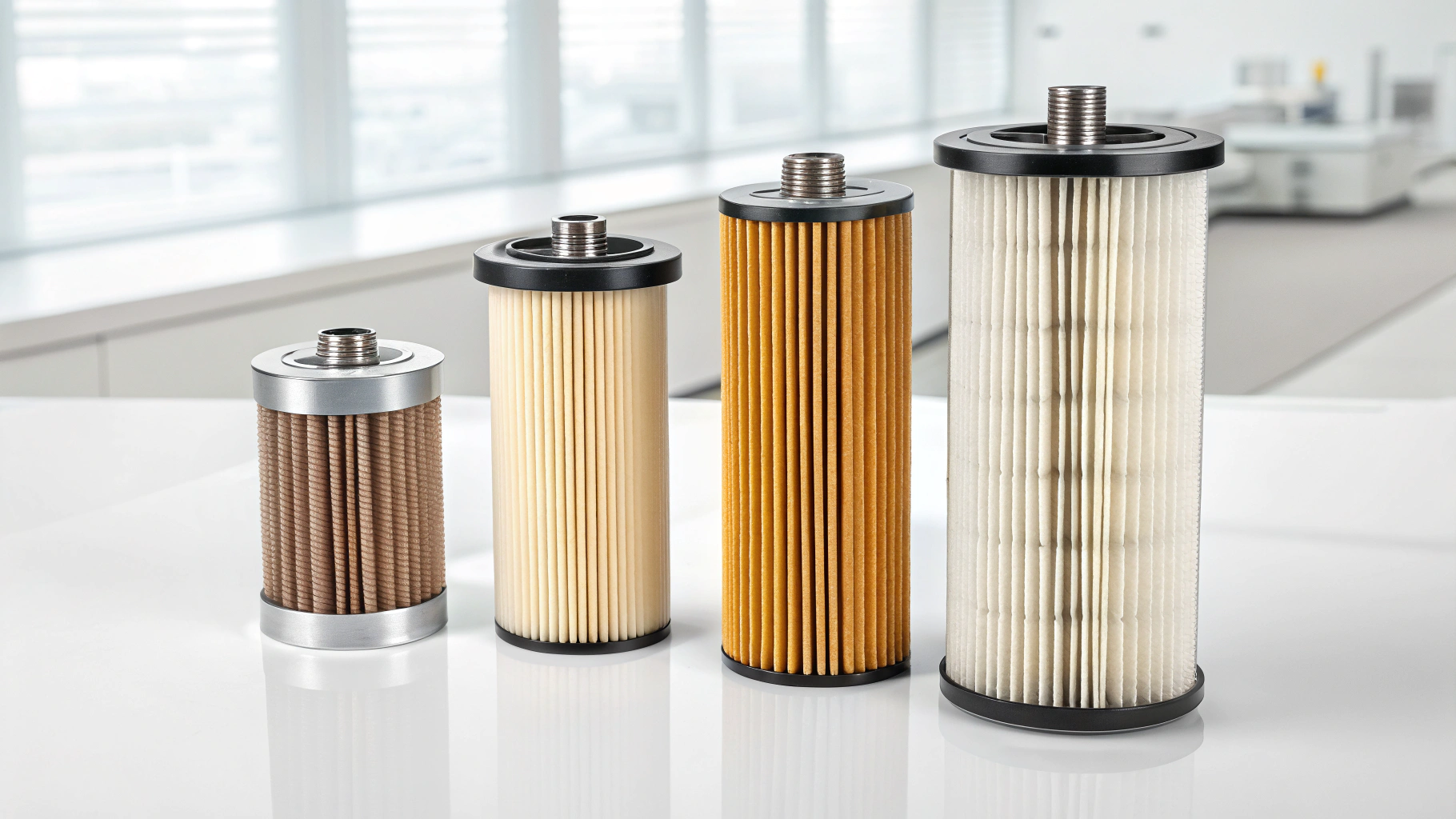
A good filter is like a gatekeeper—it protects your engine from invisible enemies: dirt, rust, and water.
When we produce filters at NEWSURE, every unit is tested for durability, filtration accuracy, and flow rate consistency.
| Feature | High-Quality Filter | Poor Filter |
|---|---|---|
| Filtration Accuracy | 10–25 microns | 40+ microns |
| Filter Media | Synthetic glass fiber | Low-grade paper |
| End Cap | Metal or PU | Thin plastic |
| Burst Pressure | >20 bar | <10 bar |
| Seal Ring | NBR or fluorocarbon | Cheap rubber |
High-quality fuel filters may cost slightly more, but they save fleets thousands in the long run—no contaminated injectors, no downtime, no angry calls from drivers.
How filter media affects fuel system efficiency
I like to say the media is the “heart” of the filter.
It decides how long your truck runs clean and how well it breathes.
The filter media directly impacts how efficiently your fuel system operates—it balances dirt-holding capacity, flow resistance, and long-term stability.
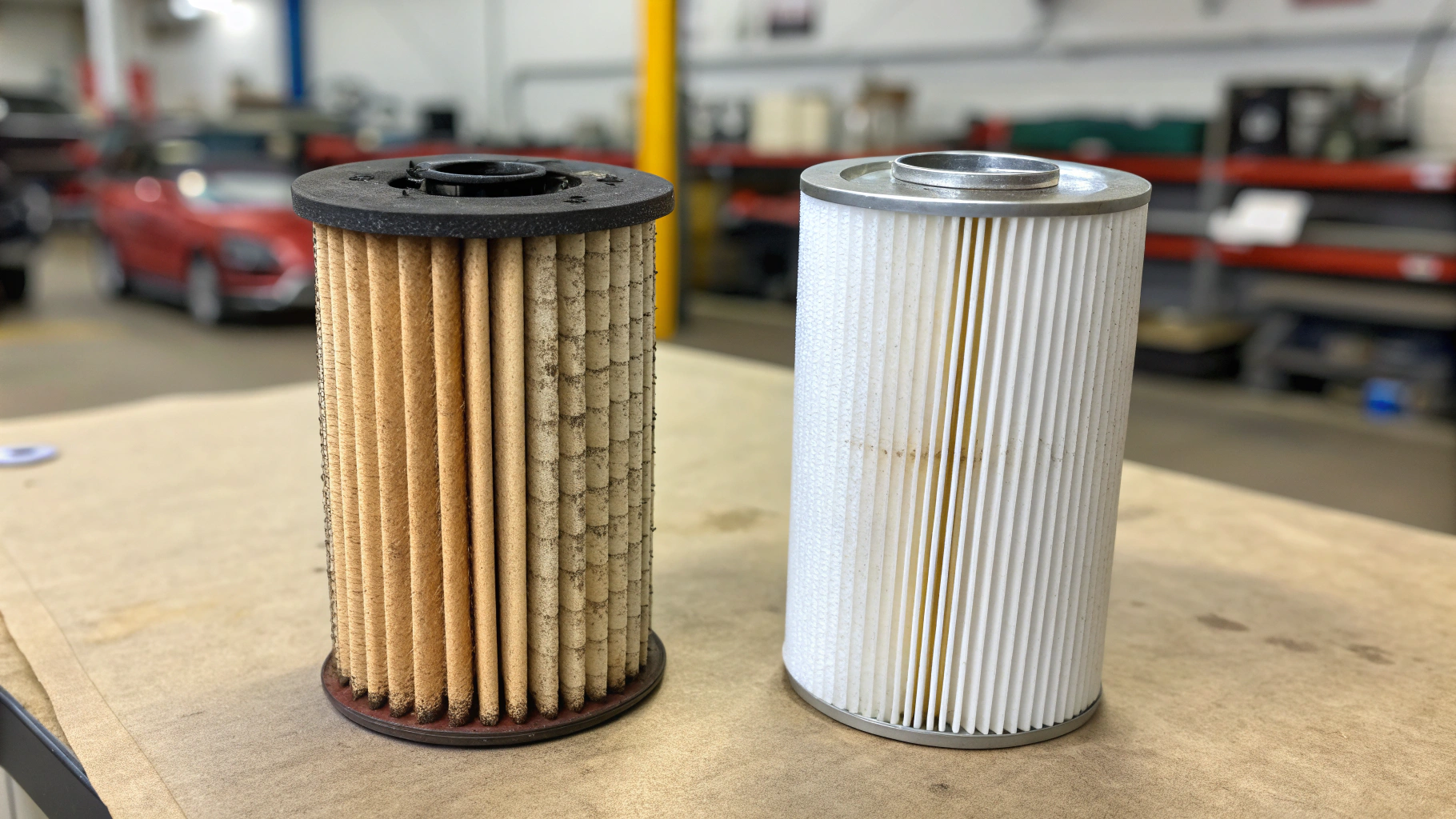
Let me give you an example:
A fleet in Penang once used low-density cellulose filters to save money. Within a month, they reported sluggish acceleration and fuel pump noise. We switched them to glass-fiber media filters, and within a few service cycles, their trucks were back to smooth starts and quiet idling.
That’s the power of proper media.
Glass-fiber blends hold more contaminants, resist water absorption, and maintain consistent micron ratings—meaning fuel flows cleanly, even under long hauls and dusty conditions.
The difference between single-stage and multi-stage fuel filtration
You’ve probably seen both terms before, but what’s the real difference?
Single-stage filters perform one-step fuel cleaning, while multi-stage filters use layered media or dual elements to capture different particle sizes for extended protection.
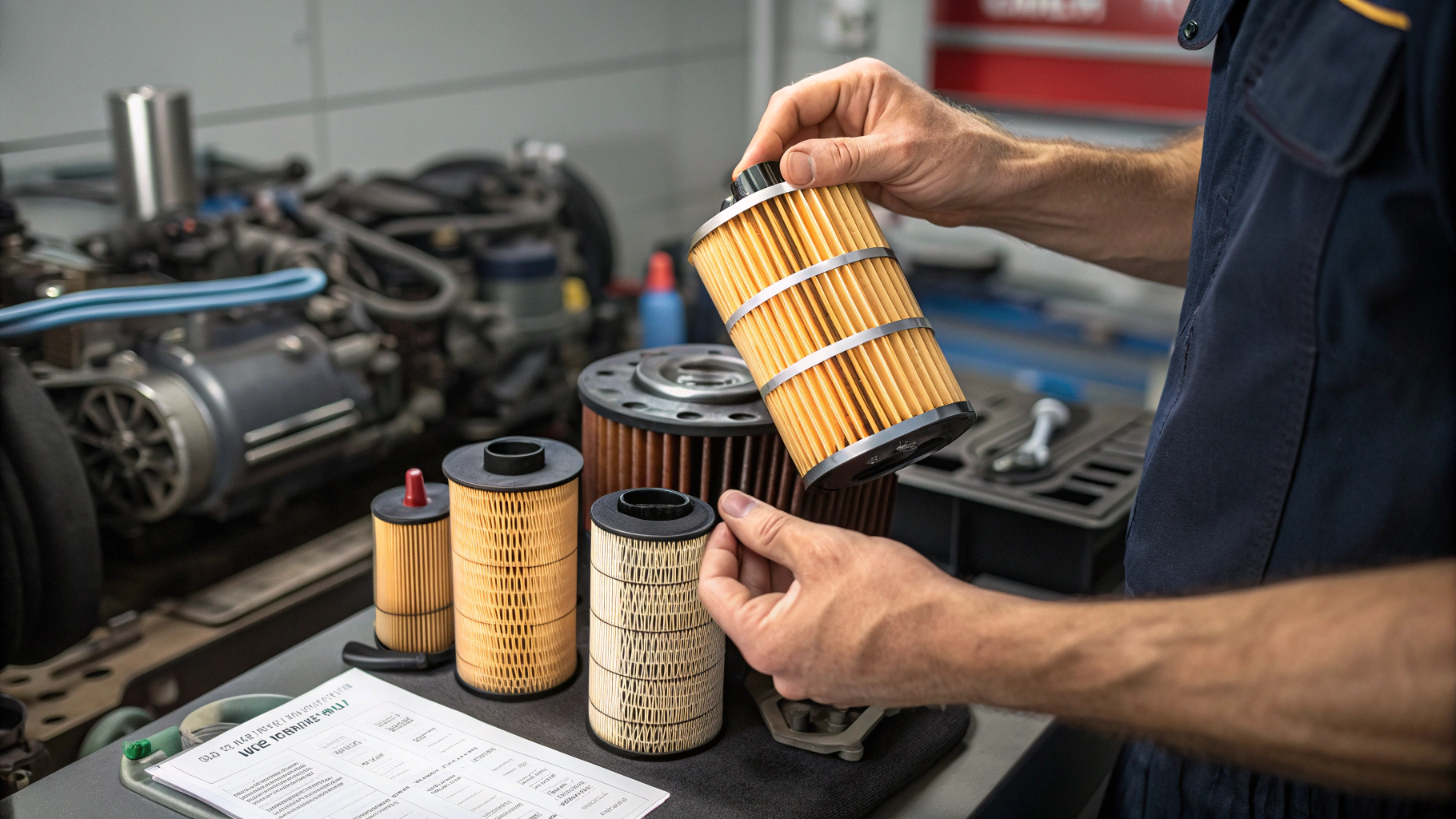
Single-stage systems are simple and cheaper, but they can struggle under heavy contamination.
Multi-stage designs—like those used in NEWSURE’s heavy-duty diesel lines—combine coarse and fine filtration layers.
That means one layer traps large debris, while the next captures microscopic particles and water droplets.
The result? Stable pressure, cleaner injectors, and fewer replacements.
| Filter Type | Pros | Cons |
|---|---|---|
| Single-Stage | Low cost, easy install | Shorter life span |
| Multi-Stage | Longer life, higher efficiency | Slightly higher price |
| Dual Element | Excellent for severe duty | Requires more space |
For long-haul or off-road fleets, I always recommend multi-stage. It’s like wearing both a raincoat and an undershirt—you stay protected no matter what comes your way.
Burst pressure and flow rate: why testing matters
Testing sounds boring, but it’s where the truth shows up.
A fuel filter’s burst pressure and flow rate determine how well it can perform under load—especially when a diesel engine runs hot, fast, and hard.
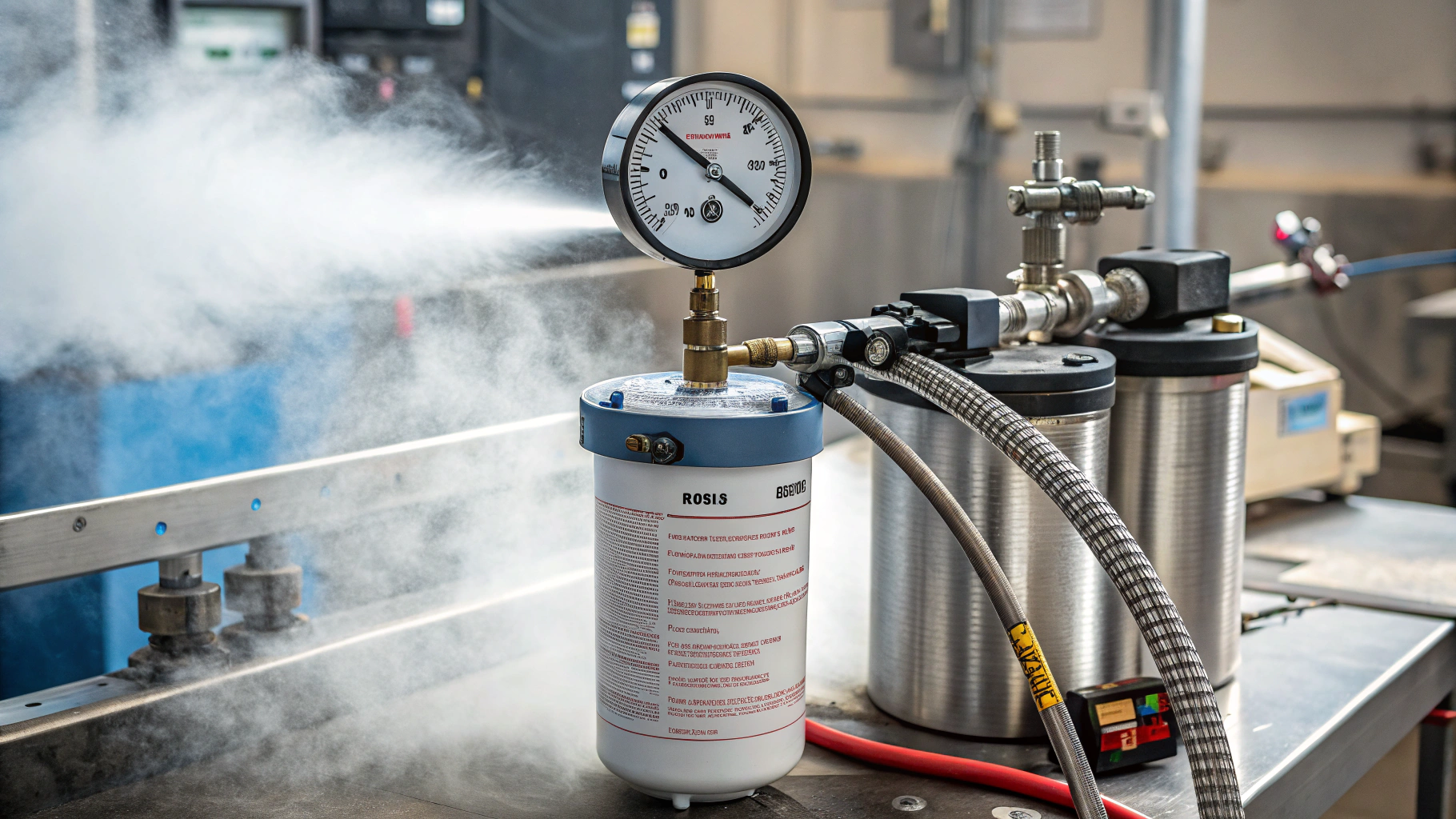
At NEWSURE, we simulate real driving conditions using heat, vibration, and pressure.
We make sure every filter can withstand at least 20 bars of burst pressure and maintain a consistent flow rate above 100 L/min without collapse or deformation.
It’s not about passing one test—it’s about lasting thousands of kilometers in the real world.
When I see a filter that cracks under stress, I always imagine the cost of a broken injector pump. That image alone keeps me pushing for higher standards.
Compatibility guide: cross-reference for Fleetguard, Baldwin, Donaldson, and WIX
Every distributor I’ve worked with asks for this one thing—clarity.
No one wants to guess whether a part fits. You want solid cross-reference data you can trust.
Cross-reference numbers help you match OE filters with aftermarket alternatives that deliver the same—or better—performance.

Here’s an updated and more precise cross-reference guide1 for popular heavy-duty fuel filters2 used in semi trucks:
| OE / Cross Reference | Application (Engine / Truck) | Equivalent Aftermarket Filters |
|---|---|---|
| Mercedes-Benz A9604770002 / A9604770001 | Mercedes-Benz Actros, Arocs (OM471 / OM473 engines) | Fleetguard LF16012 / Donaldson P550949 / Baldwin BF46031 |
| Fleetguard FF63009 | Cummins ISX15 / ISB6.7 | Donaldson P551311 / Baldwin BF46002 / WIX 33899 |
| Donaldson P551311 | Volvo FH / FM D13 engines | Fleetguard FF63009 / Baldwin BF46031 / MANN WK11 102 |
| Baldwin BF46031 | Scania DC13 / MAN D26 | Donaldson P551000 / Fleetguard LF16012 / WIX 33813 |
| WIX 33813 / 33899 | Freightliner Cascadia / Kenworth T680 | Fleetguard FF63009 / Baldwin BF46031 / Donaldson P551311 |
These references are provided for guidance only. Always confirm OE compatibility before purchase.
Cross-referencing isn’t just about numbers—it’s about confidence.
When your client asks, “Will this filter fit my Mercedes-Benz OM471?”, having the correct data on hand saves you time, protects your reputation, and keeps trucks running without interruption.
That’s why professionals always rely on accurate cross-reference lists before placing bulk orders or stocking new product lines.
Conclusion
Great trucks deserve great filters—tested, trusted, and built to last mile after mile.
About NEWSURE
Website: newsuretruckparts.com
Slogan: Simple, efficient, sincere, altruistic