
Every distributor I’ve met—especially those from Malaysia and North America—asks me one thing: “Gina, how can I tell if a filter is really good?”
High-quality truck filters are defined by precision-built materials, verified certifications, consistent filtration efficiency, and a proven track record of protecting engines under harsh conditions.
I’ll walk you through how I identify a reliable filter every single time—based on years of handling, testing, and yes, sometimes learning the hard way.
What makes a truck filter high quality?
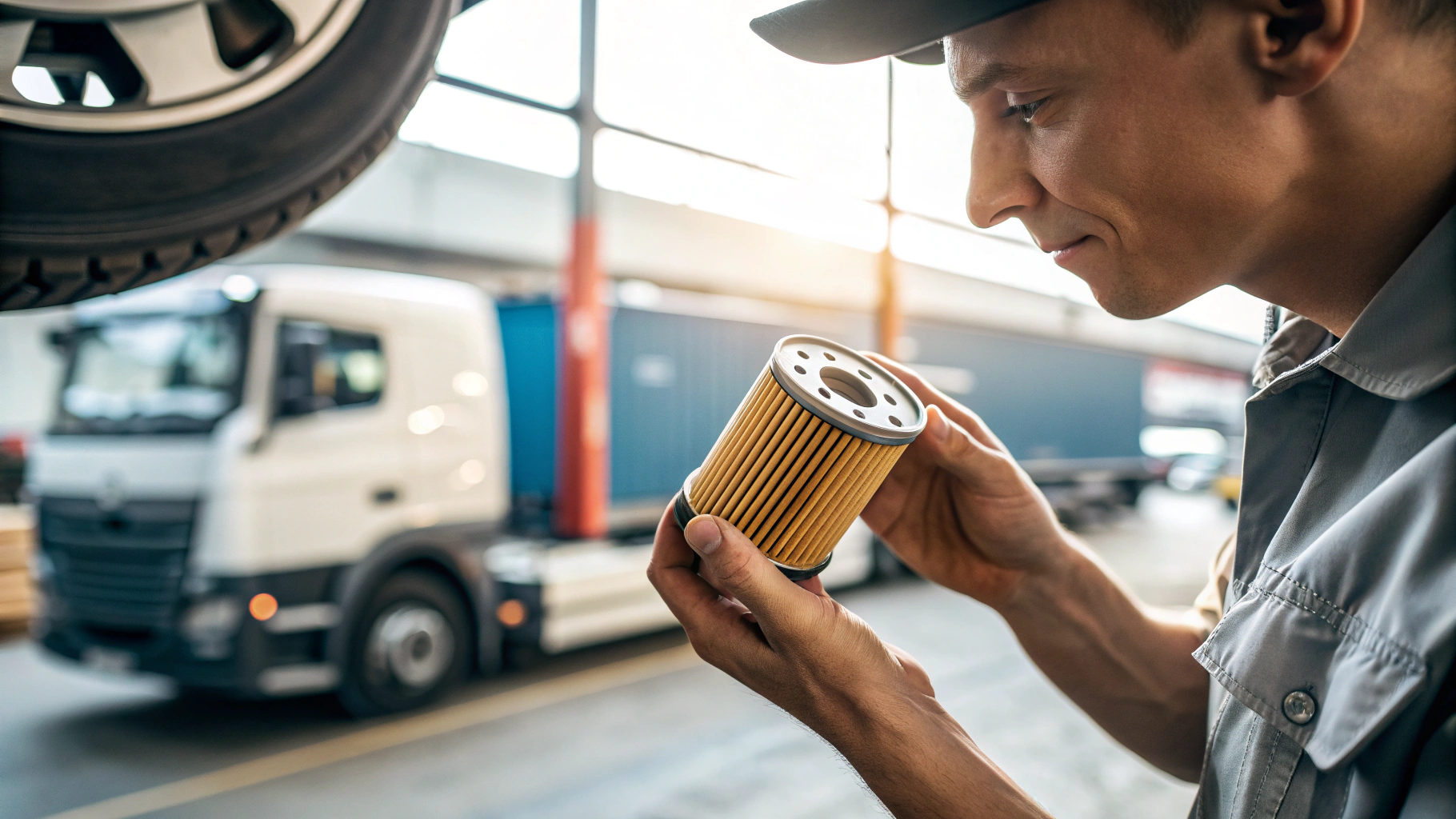
When I pick up a new filter sample, the first thing I notice is its structure and weight—you can literally feel quality in your hands.
A high-quality truck filter combines durable housing, uniform pleated media, strong sealing, and verified efficiency under both pressure and heat.
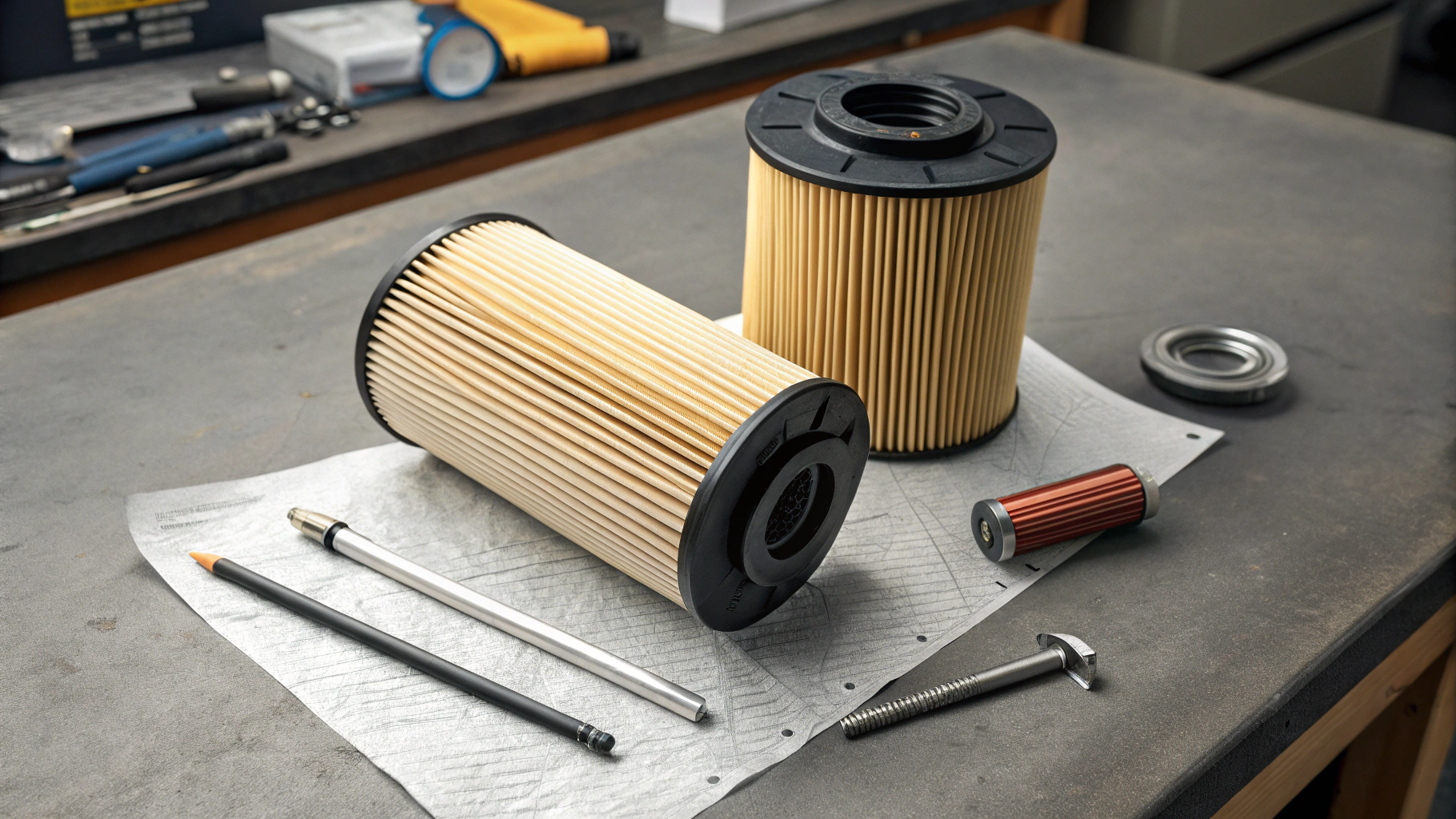
The difference starts at the core: the filter media1.
Good filters use glass fiber or high-grade cellulose blend for better dirt-holding capacity.
Bad ones? They crumble after a few uses or collapse under pressure.
Here’s a quick reference I often share with my team:
| Feature | High-Quality Filter | Low-Quality Filter |
|---|---|---|
| Filter Media | Glass fiber / synthetic blend | Thin paper |
| End Cap | Metal / molded PU | Cheap plastic |
| Seal Ring | Fluorocarbon or NBR | Poorly glued rubber |
| Burst Pressure | >20 bar | <10 bar |
| Filtration Accuracy | 10–25 microns | 40+ microns |
Every detail matters. Because once a filter fails, it’s not the filter that breaks—it’s the engine that pays the price.
How can you tell if a truck filter is original or fake?
One of the hardest lessons I learned in export business is this: fake filters look good until they ruin a good relationship.
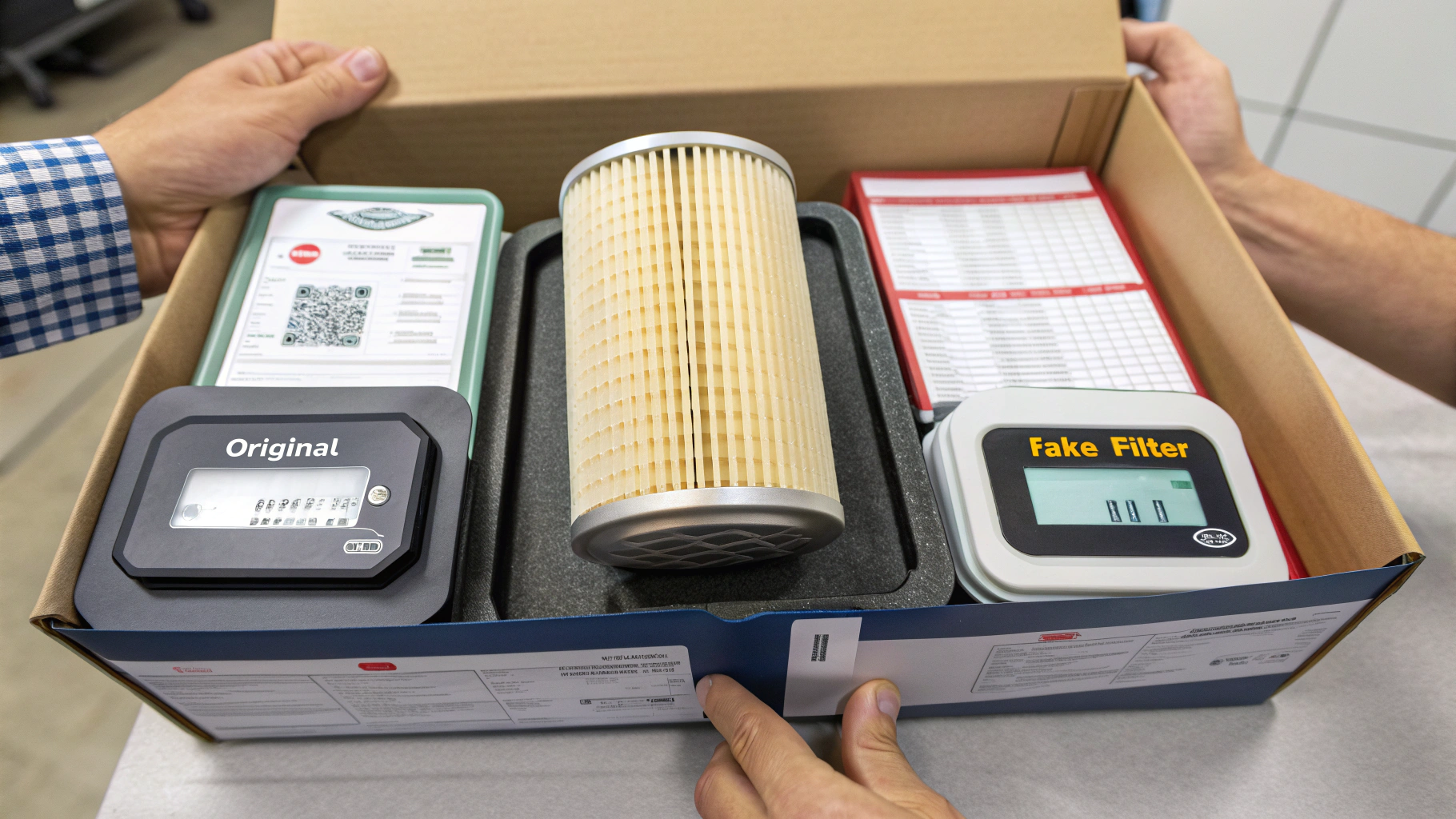
To spot original filters, check the packaging, label engraving, QR codes, and most importantly—the consistency of the internal parts like spring, gasket, and media pattern.
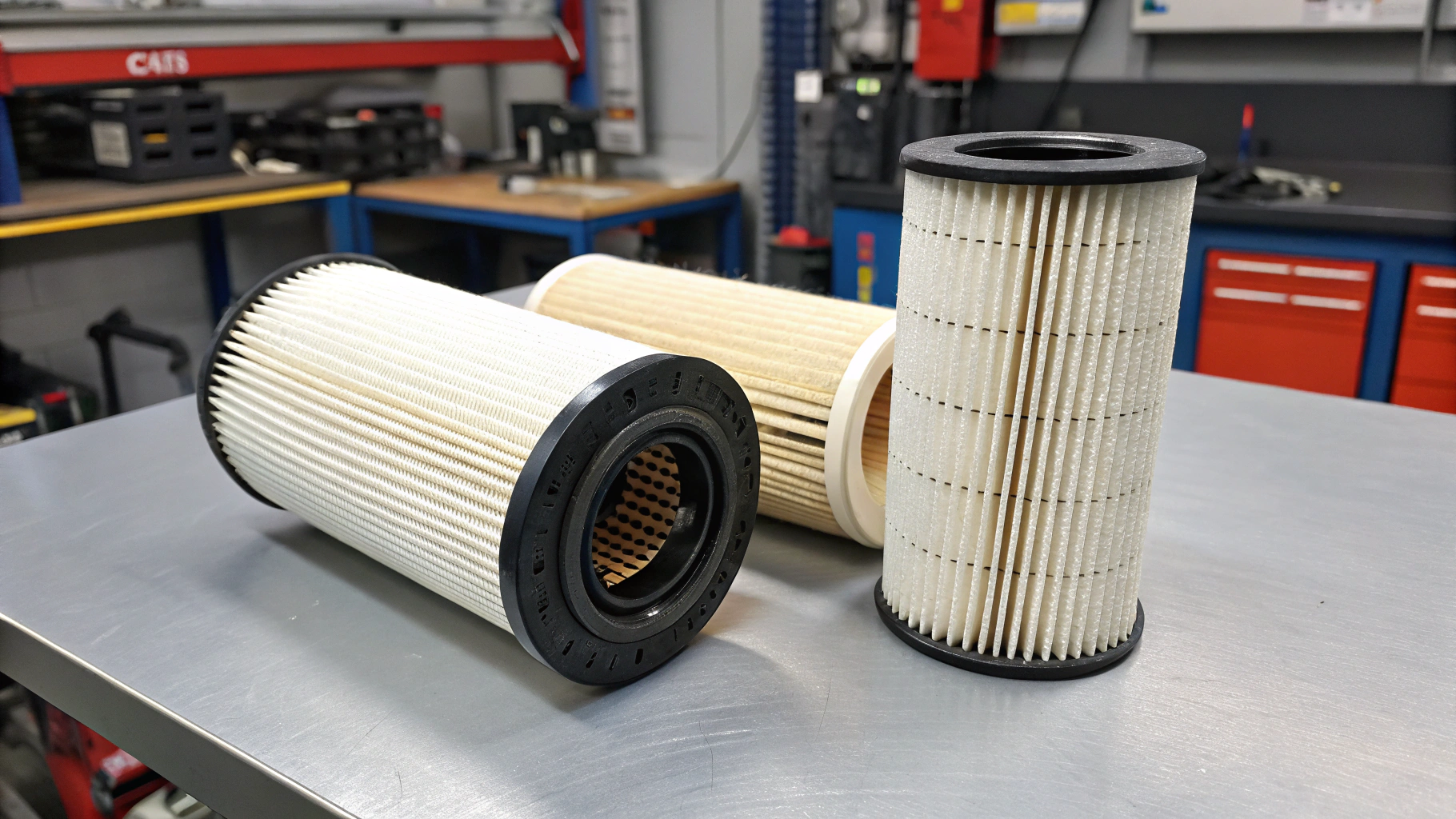
Fakes are clever. They copy logos, colors, even holograms. But when you look closely, the paint feels off, the printing fades too fast, or the threads don’t fit snugly.
I once opened two filters—one original, one fake—for a distributor in Johor.
The fake one looked perfect… until we weighed them.
The genuine filter was 40 grams heavier—that’s the extra metal, better glue, and denser media doing the real work.
If you want to be sure, buy only from verified suppliers with test reports and clear branding, like NEWSURE, where each product is traceable from production line to packaging.
When distributors ask this, I smile—because it’s not magic. It’s engineering.
Premium filters last longer because they use stronger materials, precise pleat design, and advanced bonding methods that keep filtration stable over extended service intervals.
Here’s what makes the difference:
- Pleat stability: Even pleat spacing keeps dirt from clogging too early.
- Resin and adhesive quality: Prevents the filter from deforming under heat.
- Sealing technology: High-grade seals stop bypass flow—no unfiltered oil slipping through.
Let me tell you about a fleet owner I once worked with in Penang. He switched from generic filters to NEWSURE’s glass-fiber ones.
His oil stayed clean for 20,000 km instead of 10,000 km. That’s not just longer life—it’s real savings and fewer headaches.
In the long run, durability is the cheapest investment you’ll ever make.
Are OEM truck filters always better than aftermarket ones?
Ah, the classic debate. Distributors ask this all the time—and my answer is, not necessarily.
OEM filters guarantee baseline quality, but high-quality aftermarket filters can match—or even exceed—OEM performance when produced with certified materials and strict QC.
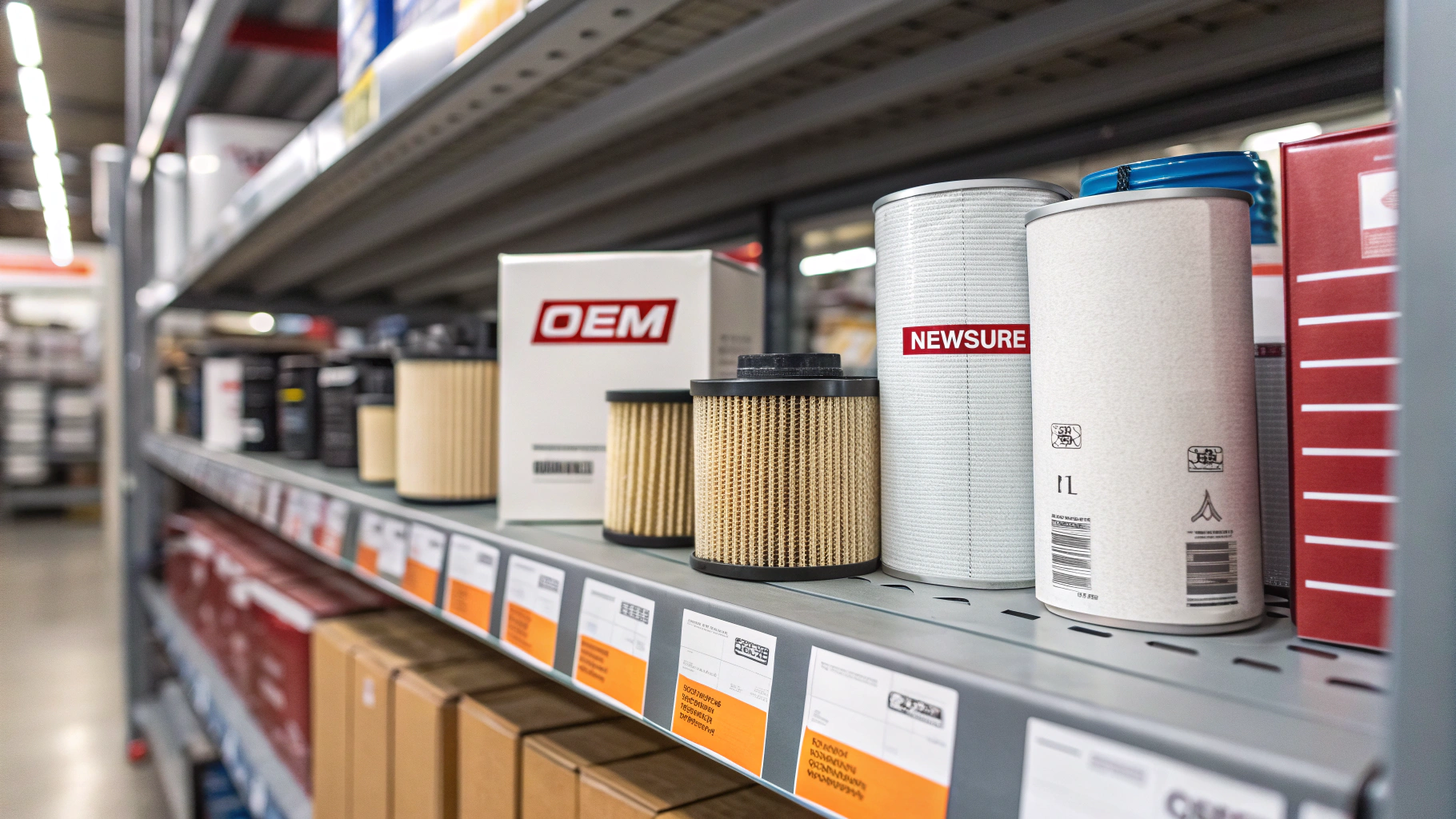
OEMs have strong R&D, yes. But they also charge for the logo.
Good aftermarket brands—like NEWSURE—focus on giving distributors OEM-level quality at fair prices.
| Comparison Point | OEM Filters | High-End Aftermarket (e.g., NEWSURE) |
|---|---|---|
| Quality Control | Excellent | Excellent |
| Custom Branding | Not allowed | Available |
| Price | High | Moderate |
| Coverage | Limited to OEM range | Wider cross-reference |
| MOQ Flexibility | Strict | Flexible |
So no, OEM isn’t always “better.” The right aftermarket supplier can be your secret advantage—especially if you value customization and faster restock cycles.
How to test filter performance before buying?
Every smart distributor I know tests before buying bulk. It’s a simple habit that saves thousands later.
To test filter performance, review filtration efficiency reports, check burst pressure ratings, cut open samples, and request ISO/TS16949 or equivalent quality certificates.
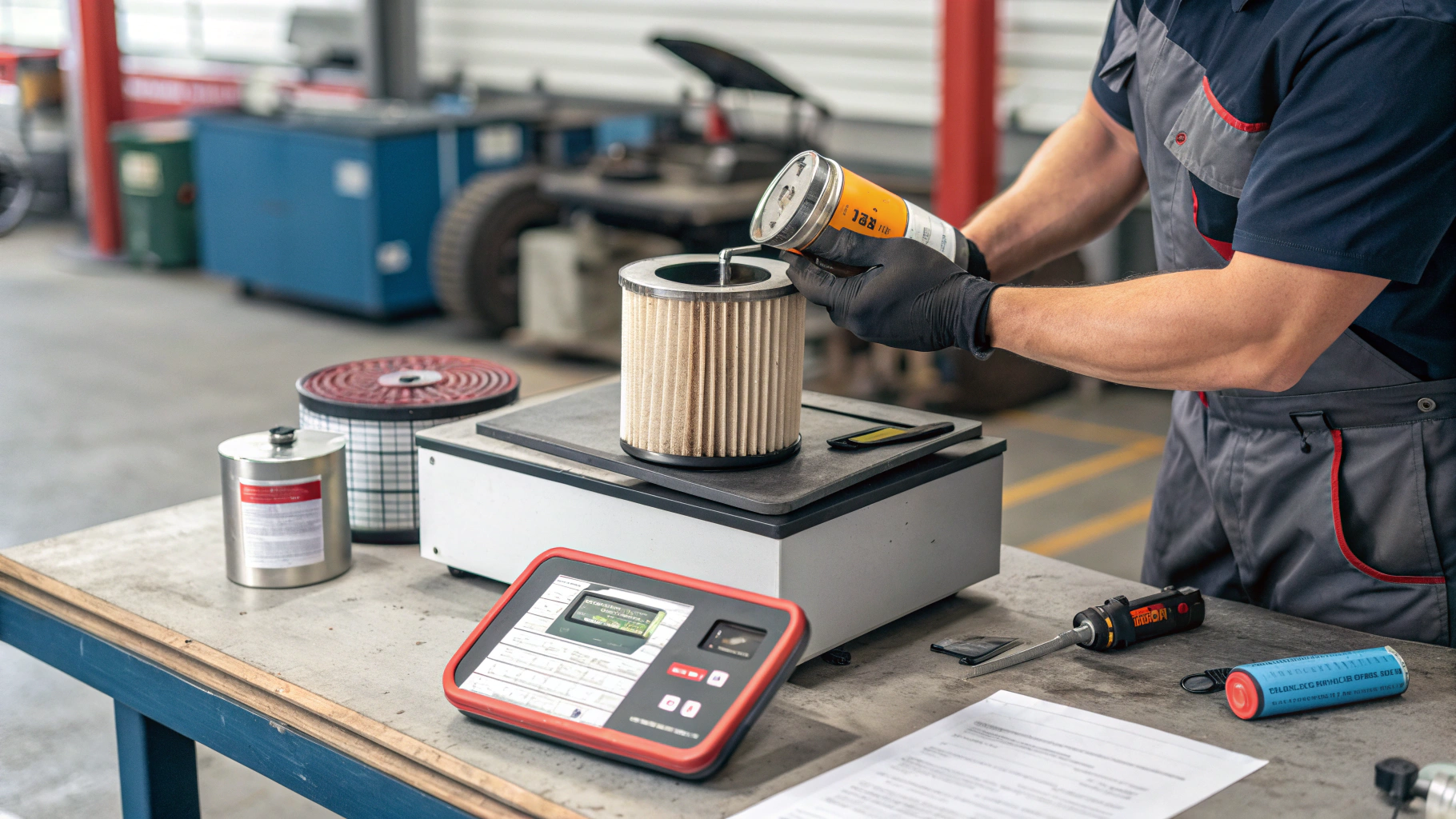
Here’s my go-to process when testing new suppliers:
- Visual inspection – Look for clean glue lines, tight pleats, and sturdy threads.
- Weight comparison – A heavier filter often indicates stronger materials.
- Cut-open test – Examine internal tube, spring, and adhesive quality.
- Flow resistance test – If possible, test differential pressure under 100 L/min flow.
- Certificate check – Verify quality documentation and HS codes.
I still remember the first time I brought a test kit to a trade fair. Some suppliers looked nervous when I asked to cut their filters open—but the good ones? They smiled and said, “Go ahead.”
That confidence tells you everything.
Conclusion
Real quality isn’t guessed—it’s proven, tested, and felt in every mile your customer drives.
-
Understanding filter media can help you choose the right filter for your engine, ensuring optimal performance and longevity. ↩