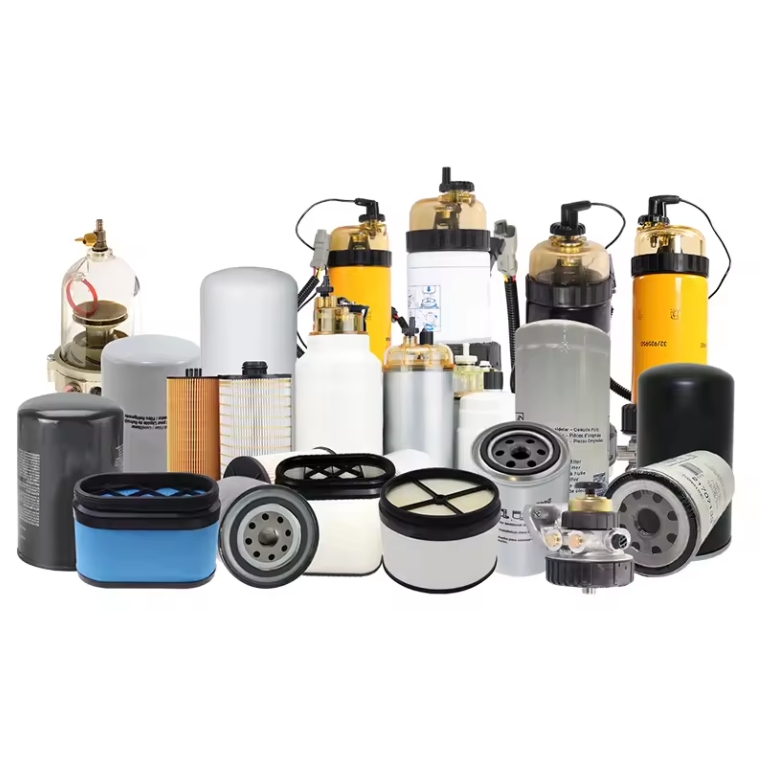


When customers ask if they should replace the oil filter with every oil change, I always smile — because this one small choice protects the whole engine.
Yes, the oil filter should always be replaced when changing oil. It traps metal shavings, dirt, and carbon deposits. Leaving an old filter in place means the new oil instantly gets contaminated again.
That’s like wearing fresh clothes after a muddy day — without taking a shower first.
Do I have to change my oil filter1 when I change my oil?
Many distributors ask me this when customers try to save costs.
Always replace the oil filter during an oil change. Old filters are already full of debris and can’t protect the engine properly anymore.

When I first started NEWSURE, I often saw truck owners skip this step to save a few dollars. But then they’d come back with complaints about black oil, noisy engines, or leaks within weeks.
That’s when I realized — cheap savings up front often lead to expensive repairs later.
| Common Problem | Likely Cause |
|---|---|
| Low oil pressure | Blocked filter |
| Dirty new oil | Contaminated old filter |
| Engine noise | Lack of clean lubrication |
Replacing the filter is simple insurance for long-term engine health — and for you as a distributor, it builds trust with your customers who rely on consistent quality.
Can you use the same oil filter after an oil change?
This is a question I hear often at trade shows or when visiting workshops.
No — an oil filter is designed for single use only. Once used, it’s already filled with captured dirt that reduces its filtering power.

Think of it like reusing a face mask after a dusty day — it just doesn’t work as well anymore.
One of my distributors in Johor once told me that a client reused his filter, and within a month, the engine started knocking. When they opened it up, the filter was clogged and the oil was pitch black.
An oil filter may look fine on the outside, but inside, the fibers are already full.
Replacing it every time keeps your clients’ engines cleaner and helps your business maintain a professional reputation.
| Filter Type | Reuse Recommended? | Reason |
|---|---|---|
| Standard paper filter | ❌ No | One-time use only |
| High-efficiency filter | ❌ No | Debris buildup after use |
| Washable filter | ⚠️ Rare | Needs professional cleaning |
How frequently should an oil filter be changed?
Distributors often ask me this when setting up customer maintenance schedules.
Replace the oil filter with every oil change — usually between 8,000 and 15,000 km, depending on oil type and driving conditions.

In hot and humid climates like Malaysia, dust and moisture can affect engine oil faster. That’s why many workshops recommend shorter intervals.
If your customers drive trucks on rough or dusty roads, changing the filter more often helps prevent engine wear.
| Vehicle Type | Oil Change Interval | Filter Change |
|---|---|---|
| Light trucks | 8,000–10,000 km | Every oil change |
| Heavy trucks | 10,000–15,000 km | Every oil change |
| Harsh conditions | 5,000–8,000 km | Every oil change |
I always remind distributors — consistency matters more than cost-cutting. Regular changes keep customer satisfaction high and complaints low.
Does changing the oil filter make a difference?
Absolutely. And the difference is bigger than most people realize.
A new oil filter keeps oil clean, reduces engine friction, and extends the engine’s lifespan.

When we tested filters at NEWSURE’s lab, the results were clear: engines using new filters stayed 25–30% cleaner inside, even after thousands of kilometers.
That means smoother idling, better fuel economy, and fewer returns for you as a distributor.
| Benefit | Description |
|---|---|
| Cleaner oil | Prevents recontamination |
| Better performance | Stable oil pressure and flow |
| Lower costs | Avoids early engine wear |
| Customer trust | Proven reliability |
For distributors, recommending a new filter every time isn’t just good advice — it’s good business. It positions you as a professional who truly cares about your customers’ trucks and their long-term performance.
Conclusion
Changing both oil and filter isn’t just maintenance — it’s smart protection for your customers and your business.
-
Understanding the role of the oil filter can help you maintain your engine's health and avoid costly repairs. ↩